Source Low Speed Air Cooled Engine for Generators, Pumps, and Industrial Machinery
Find and compare 30 Low Speed Air Cooled Engine options from verified Chinese manufacturers. Evaluate specifications such as cylinder count, cooling type, and certifications to identify the right power solution for your specific industrial application needs.
Key considerations
Products List


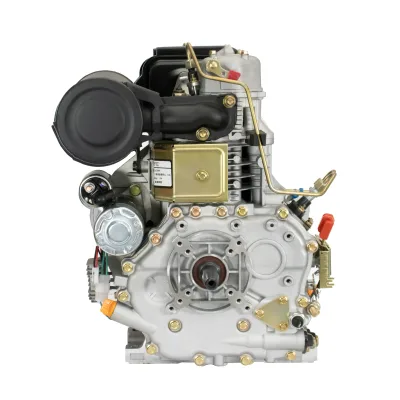
China Low Speed Water Cooling Diesel Engine for Engineering Machinery
$5600.00 - $8000.00
MOQ: 1 Pieces


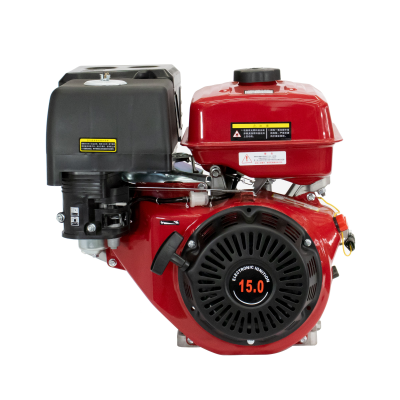


High-Efficiency with Low Fuel Consumption and Easy Care Diesel Engine
$315.00 - $328.00
MOQ: 10 Pieces



Comprehensive Sourcing Guide
Low Speed Air Cooled Engine Sourcing Guide
Procuring low-speed air-cooled engines requires a disciplined approach to technical verification and supplier qualification, particularly when sourcing from international markets. These engines are distinct from their water-cooled counterparts due to their reliance on ambient air for thermal management, which influences their suitability for specific industrial, agricultural, and stationary power applications. Buyers must navigate a market landscape where product attributes vary significantly, ranging from single-cylinder configurations to complex multi-cylinder arrangements. The following guide provides evidence-based procurement strategies to ensure that the selected engine meets operational requirements, regulatory standards, and long-term reliability expectations.
The sourcing process begins with a clear definition of operational parameters, including cooling method, cylinder configuration, and fuel type. While the term "low speed" generally implies high torque and durability, the specific mechanical design—such as four-stroke versus two-stroke cycles or compression ignition versus electric ignition—dictates the engine’s performance envelope. Buyers must carefully cross-reference observed listing signals with verified technical specifications to avoid mismatches between advertised capabilities and actual mechanical performance. This guide outlines the critical verification steps necessary to mitigate procurement risks and secure a reliable supply chain for these specialized power units.
Product Scope and Observed Listing Signals
The current market for low-speed air-cooled engines presents a diverse array of configurations, with observed listings indicating a wide range of cylinder counts and cooling methods. Data points reveal the presence of both air-cooled and water-cooled variants, with cylinder arrangements spanning from single-cylinder to six-cylinder setups. For instance, specific models are identified as four-cylinder, air-cooled units with an L-shaped arrangement, while others are listed as double-cylinder or single-cylinder engines. This variability underscores the importance of verifying the exact cooling mechanism and cylinder configuration for each potential purchase, as these factors directly impact thermal management and mechanical stress under load.
Listing signals also highlight significant differences in fuel types and ignition modes, which are critical for operational compatibility. While some units are specified as diesel engines utilizing compression ignition, others are listed with gasoline fuel types or electric ignition systems. The observed product models, such as the Bf4l913, 4D22, F3L912, and 188, represent distinct mechanical designs that cater to different power and torque requirements. Buyers must treat these listing attributes as observations rather than universal claims, ensuring that the specific unit under consideration matches the intended application’s fuel availability and ignition requirements.
Technical Specifications to Verify
Technical verification must begin with the engine’s core mechanical attributes, including bore, displacement, and stroke count. For air-cooled engines, the absence of a liquid cooling system places greater emphasis on the efficiency of the finned cylinder design and airflow dynamics. Buyers should verify the bore diameter and total displacement to ensure the engine delivers the required power output for the intended load. Additionally, the distinction between two-stroke and four-stroke cycles is crucial, as it affects maintenance intervals, fuel efficiency, and emission profiles. Specific models may be identified by their stroke count, such as four-stroke or two-stroke configurations, which must be confirmed against the operational duty cycle.
Further verification is required for intake systems and speed characteristics, which define the engine’s performance profile. Low-speed engines are typically designed for high-torque applications, but the specific speed rating and intake pressure impulse—whether naturally aspirated or supercharged—must be confirmed. Buyers should also assess the piston movement type, which is generally reciprocating for these engine types, and verify the cylinder arrangement form, such as L-shaped or V-shaped configurations. These mechanical details influence the engine’s footprint, balance, and suitability for integration into existing machinery or power generation systems.
Compliance and Safety Documentation
Compliance with international quality and environmental standards is a prerequisite for sourcing low-speed air-cooled engines, particularly for export or industrial use. Observed listings indicate that suppliers may provide certifications such as ISO9001, ISO14001, and CE, which attest to manufacturing quality and environmental management systems. Buyers must request and validate these certification documents to ensure that the supplier adheres to recognized quality management practices. The presence of CE marking, for example, is often mandatory for products sold within the European market, indicating conformity with health, safety, and environmental protection standards.
Emission standards represent another critical compliance factor, especially as regulatory frameworks tighten globally. While some listings reference specific emission standards such as Euro2, buyers must verify the applicable emission regulations for their target market. It is essential to confirm whether the engine meets local exhaust gas requirements, as non-compliant units may face import restrictions or operational penalties. Additionally, buyers should inquire about any additional testing or certification requirements specific to the engine’s application, such as noise level certifications or safety guards for rotating components.
Cost Drivers and Commercial Terms
The cost structure for low-speed air-cooled engines is influenced by several factors, including cylinder count, cooling method, and customization options. Observed price ranges vary significantly, reflecting differences in engine complexity, material quality, and production volume. Buyers should analyze the price-to-specification ratio to ensure they are receiving fair value for the engine’s capabilities. Customization availability is another key consideration, as tailored solutions may incur additional costs but can provide better integration with existing systems. Understanding the components that drive cost helps buyers negotiate effectively and avoid hidden expenses.
Commercial terms, including minimum order quantities (MOQ) and packaging standards, also impact the total cost of ownership. Listings indicate MOQs ranging from single sets to hundreds of pieces, which can affect inventory management and cash flow. Buyers must align their order quantities with supplier MOQs to avoid excess inventory or production delays. Packaging methods, such as wooden cases, pallets, or cardboard boxes, are critical for protecting the engine during transit, especially for international shipments. Proper packaging reduces the risk of damage and associated replacement costs, making it a vital component of the procurement strategy.
Supplier Qualification and Quality Control
Supplier qualification is essential to ensure the reliability and consistency of low-speed air-cooled engines. Buyers should verify the supplier’s manufacturing capabilities, including their production facilities and quality control processes. The origin of the product, such as China or specific regions like Beijing or Zhejiang, may influence supply chain dynamics and logistics. Buyers must assess the supplier’s ability to maintain consistent quality across batches, particularly when dealing with high-volume orders. Requesting samples or conducting factory audits can provide valuable insights into the supplier’s operational standards and commitment to quality.
Quality control measures should extend beyond initial inspection to include ongoing performance monitoring. Buyers should establish clear acceptance criteria for engine performance, including power output, fuel efficiency, and thermal stability. Regular quality checks during production and pre-shipment inspections can help identify and rectify defects before delivery. Additionally, buyers should evaluate the supplier’s after-sales support, including warranty terms and availability of spare parts. A robust quality control framework ensures that the engines meet specified performance standards and reduces the risk of operational failures in the field.
Long-Term Procurement Checks
Long-term procurement success depends on establishing a sustainable supply chain that can adapt to changing market conditions and operational needs. Buyers should regularly review supplier performance metrics, including delivery times, product quality, and responsiveness to issues. Building a strong relationship with qualified suppliers can lead to better pricing, priority production, and access to new technologies. Continuous monitoring of market trends and regulatory changes ensures that the procured engines remain compliant and competitive. Proactive engagement with suppliers helps mitigate risks and supports long-term operational stability.
Maintenance and lifecycle management are critical considerations for low-speed air-cooled engines, which are often used in demanding applications. Buyers should develop a comprehensive maintenance plan that includes regular inspections, lubrication, and component replacement. Understanding the engine’s service requirements and availability of spare parts is essential for minimizing downtime. Additionally, buyers should evaluate the engine’s energy efficiency and environmental impact over its lifecycle, as these factors contribute to total cost of ownership. By focusing on long-term value rather than just initial purchase price, buyers can optimize their procurement strategy and ensure reliable performance.
FAQs
What is the cooling type for the Low Speed Air Cooled Engine?
The engine features an air-cooled design as a primary configuration. Some models in the catalog also offer water-cooled variants, so buyers should verify the specific cooling cylinder attribute before ordering to ensure compatibility with their application.
Which cylinder arrangement forms are available for these engines?
Available cylinder arrangements include L-form and V-form configurations depending on the specific model. The product list shows both single-cylinder and multi-cylinder options, allowing buyers to select the layout that best fits their mechanical space constraints.
Can buyers request customization for the Low Speed Air Cooled Engine?
Yes, customization is available for these engines to meet specific operational needs. Buyers can discuss tailored requirements with suppliers, ensuring the final product aligns with their unique industrial or agricultural machinery specifications without compromising the core engine performance.
What certifications do the low speed air cooled engines hold?
The engines are certified under ISO9001, ISO14001, and CE standards. These certifications indicate compliance with international quality management and environmental protection systems, providing assurance of reliability and safety for industrial applications across various global markets.
How is the Low Speed Air Cooled Engine packed for shipment?
Packaging options include wooden cases, wooden pallets, and cardboard boxes depending on the model. This varied approach ensures safe transport while accommodating different shipping requirements, with specific packing details provided per product model like the Bf4l913 or 4D22.
What is the minimum order quantity for the Low Speed Air Cooled Engine?
The minimum order quantity varies by model, ranging from 1 set to 800 pieces. Buyers should check the specific MOQ for their selected model, as some single-cylinder units may require higher volumes compared to other specialized configurations.